NO INFORMATION
Architecture Uncomfortable Workshop
10:00:00
Peter Ballantine, who created Donald Judd’s plywood works, told Martha Kuskirk a story about when he was working on Judd’s largest plywood piece at the Castelli Gallery in 1981. It was a very long process, but Judd almost never came by during the installation. He came by once before the opening, and Ballantine was very eager to show him how he had constructed the work’s internal, behind-the-scenes structure, so he asked Judd if he’d be interested in seeing these technical details. The answer was simple: No.
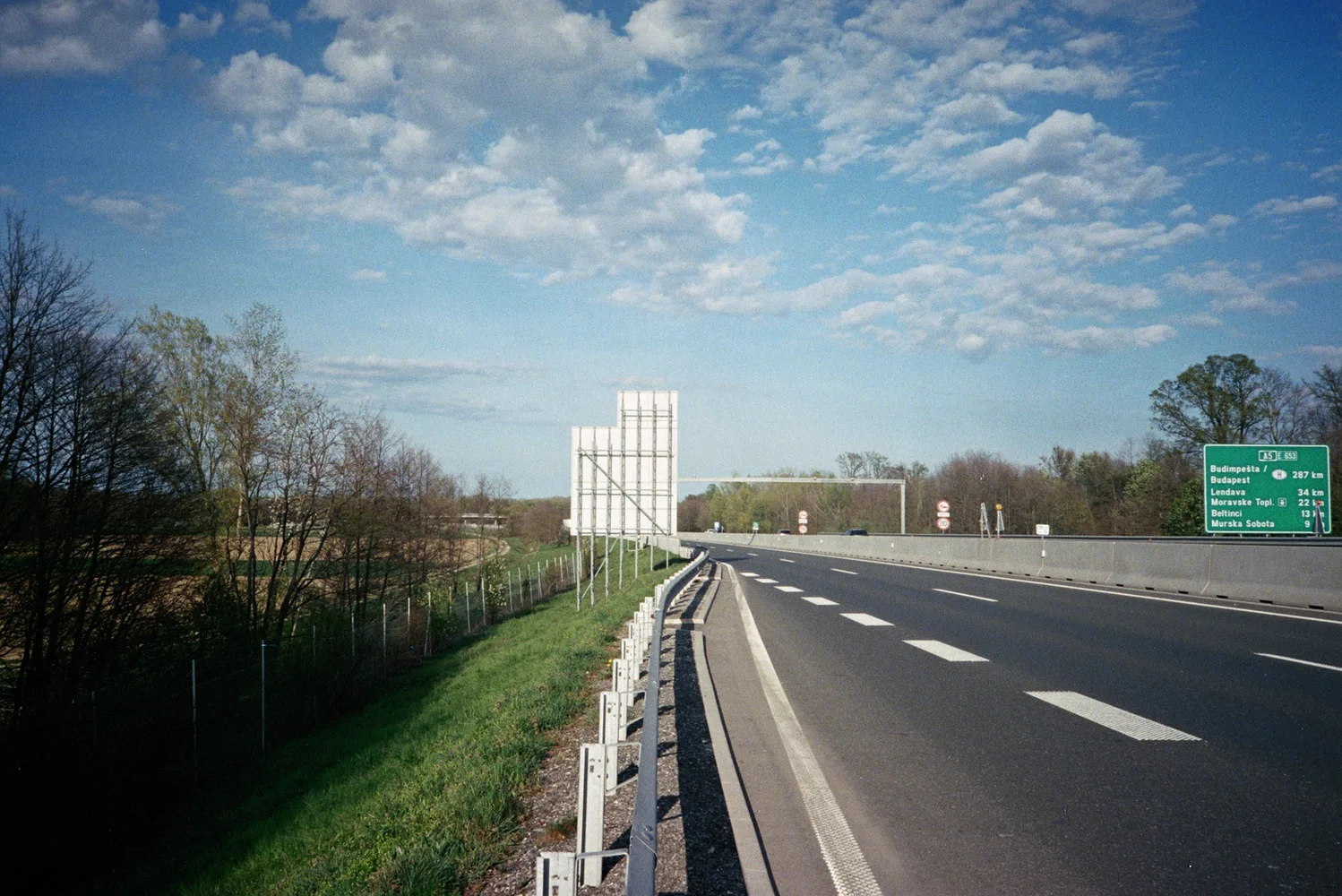
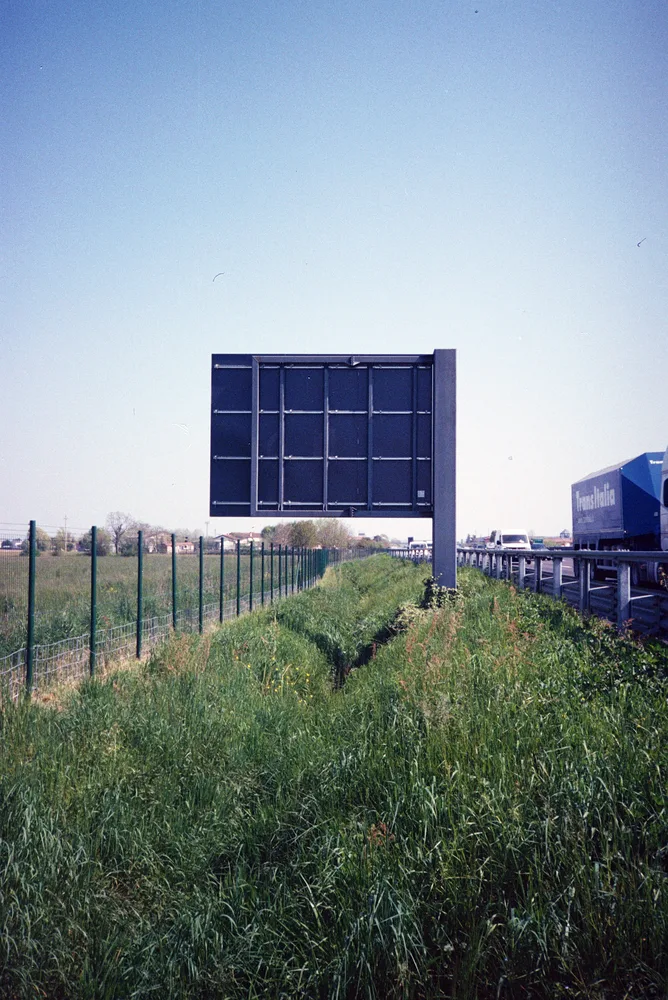
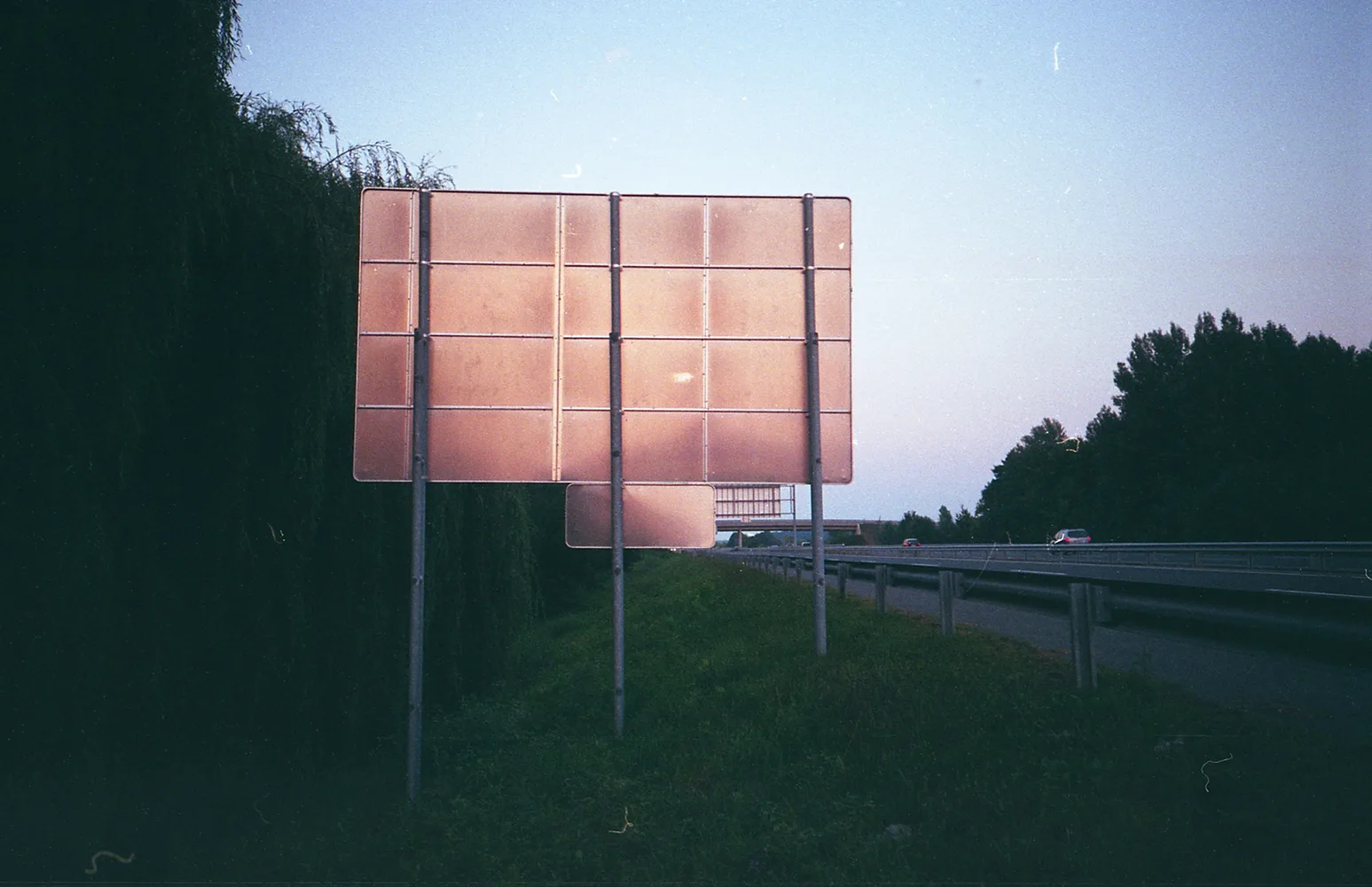
In his book Non-Places: Introduction to an Anthropology of Supermodernity, Marc Augé refers to those spaces which lack the historical, cultural or identity-forming power to become genuine “places” as “non-places”. These spaces are always created by “super-modern” society for some purpose, such as consumption, travel or transit, and do not possess any unique characteristics typical of places in the traditional anthropological sense. In this sense, the signs placed along the sides of motorways can also be classified as architectural elements that constitute nonplaces.
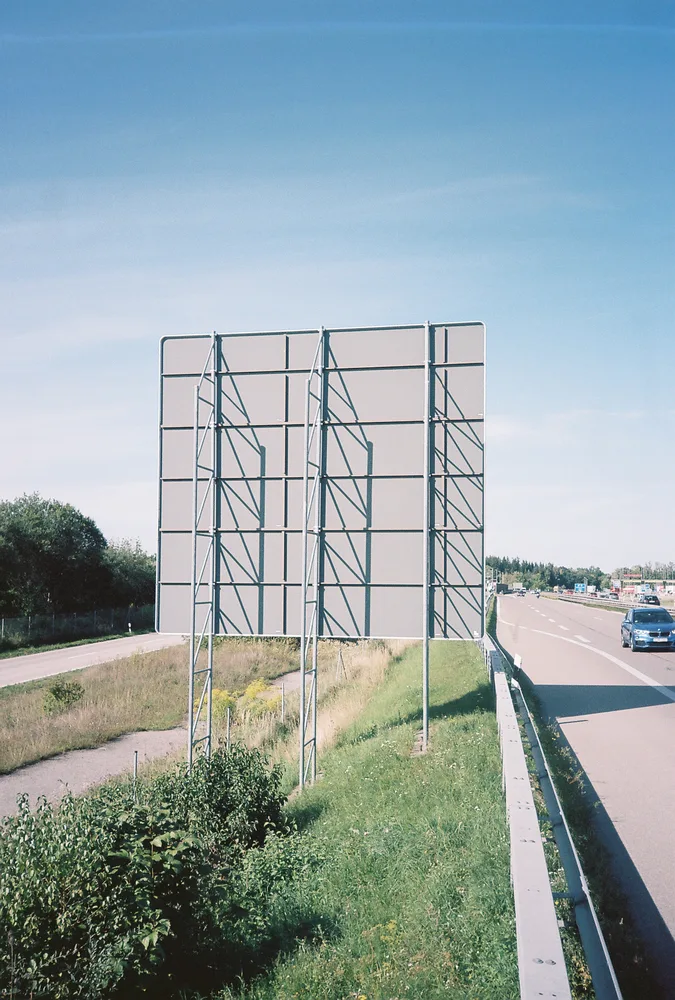
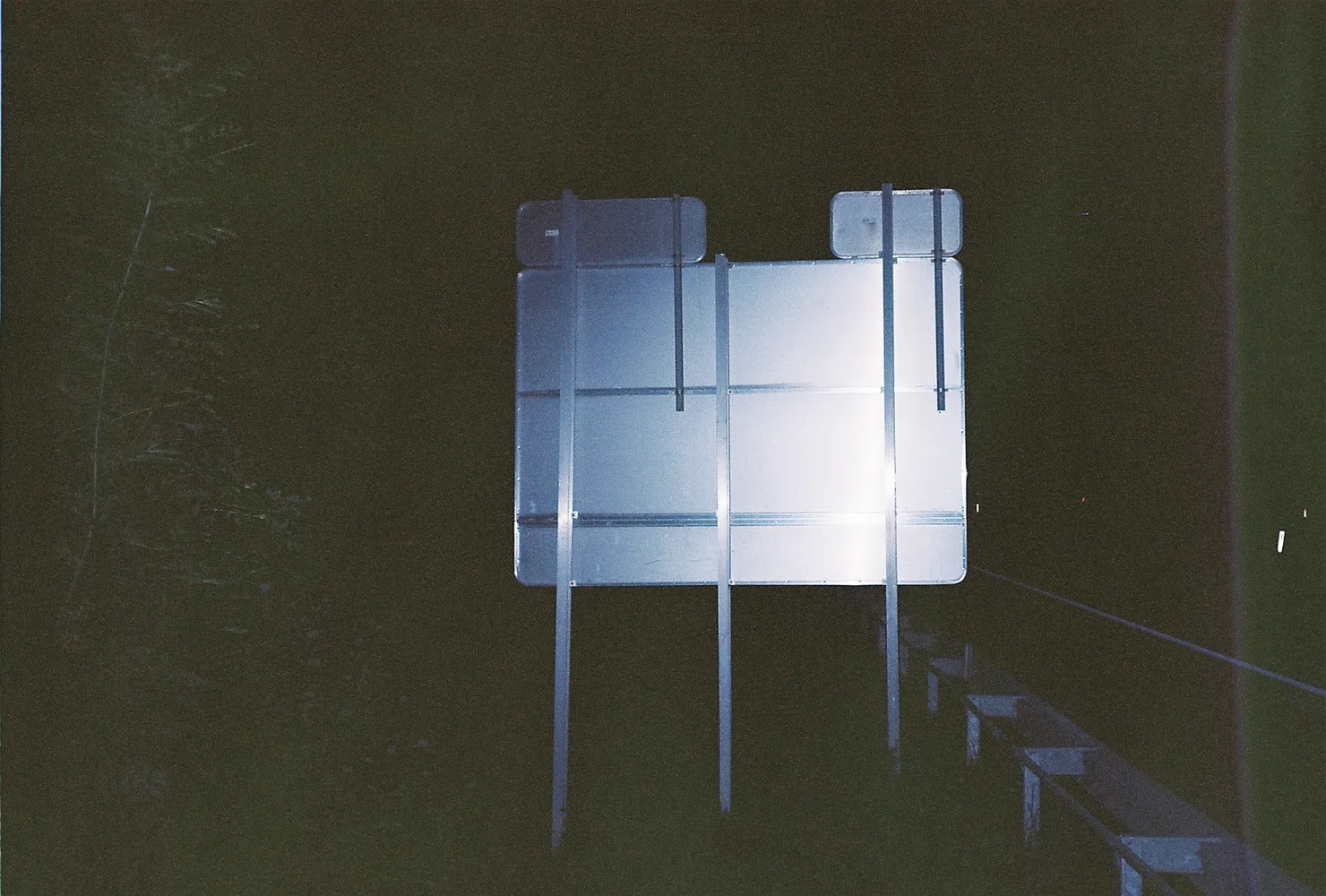
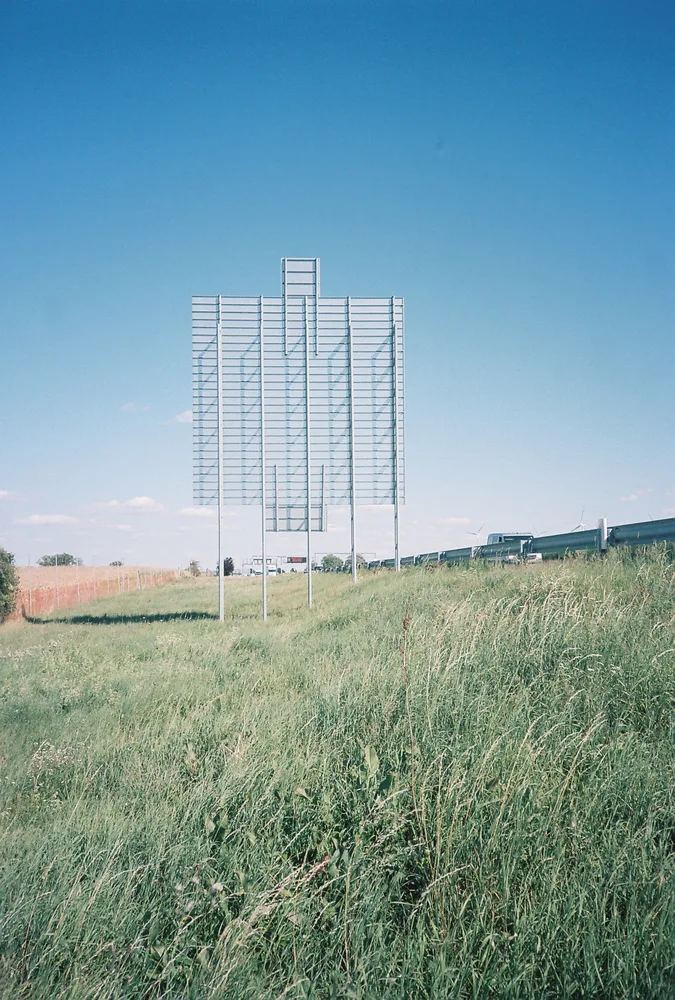
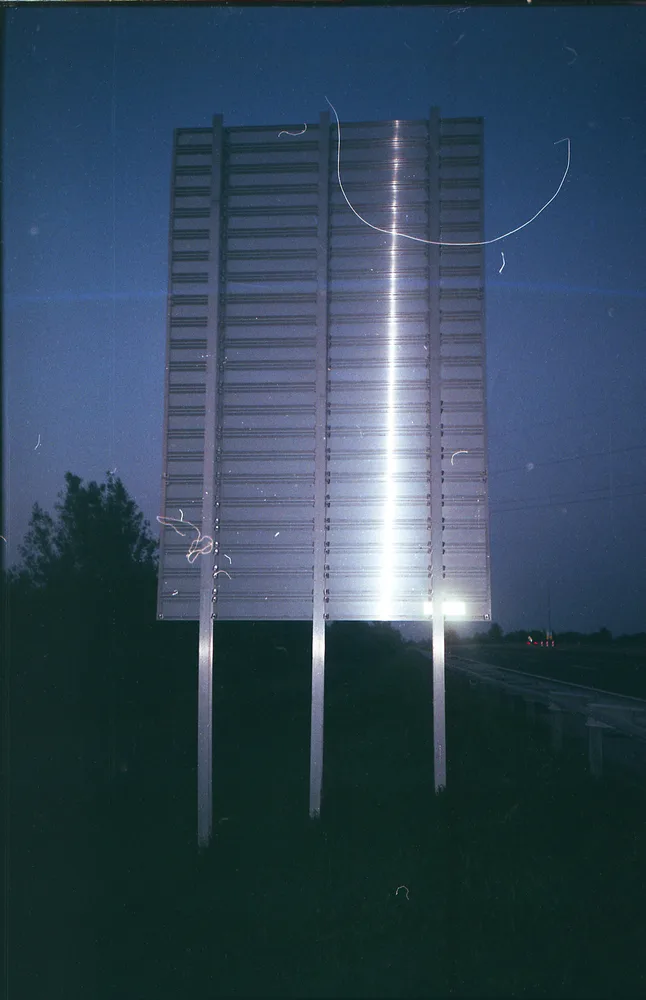
In Géza Ottlik’s novel Buda we read the following lines:
“We are prisoners. You were born into a completely foreign place with which you have no connection. A free movie begins to play for you, and you are the viewer. A tiny part of this movie, however, is your own body, and since this is the only specific part of it with which you have a connection, you call this part of yourself as well. But this second “self” is already a character in the free movie, in this utterly foreign world, where everything is contingent and independent of your role as a viewer. Here we are characters, prisoners; we have no choice, Sándor. The viewer, however, is free. He cannot be enslaved at all.”
Architecture Uncomfortable Workshop is a Budapest-based architecture office established in 2012. Since then, the studio has placed strong emphasis on small-scale, hands-on projects that investigate the processes of building and their impact on architectural design. Their work explores the architectural dimensions of human comfort, with a particular focus on people's real needs. The practice frequently collaborates with other architects and professionals while consciously maintaining its small-scale, flexible structure.
Übersicht