secret-keepers
Margo Sarkisova
15:00:00
UA
сімейні таємниці, таємниці роду, таємниці історії, таємниці політичних подій.
Приховане, не явне.
геноцид — секрет?
хто зацікавлений в зберіганні секретів?
Опрокинута чаша секретів (секрету)
→ коли таємне стає явним.
→ звинувачення того, хто цей сосуд (чашу) опрокинув, а не того, хто наповнив цю чашу
стражданням / самим секретом.
бо привернув/ла увагу до проблеми.
(співчуття до себе.)
нести цю ношу, хрест, тягар секрету.
— по секрету,
я можу не піднятись
20.05 2026
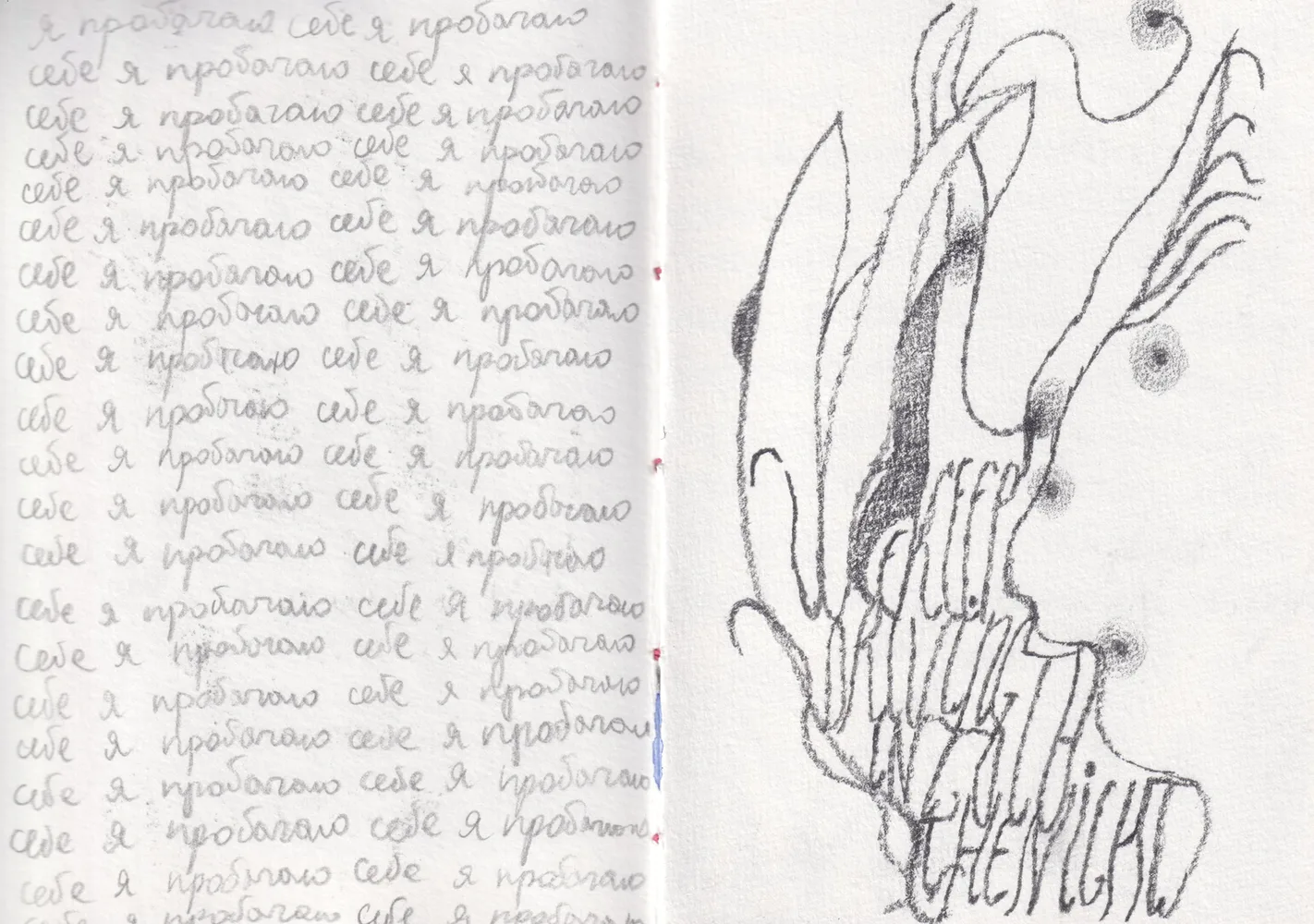
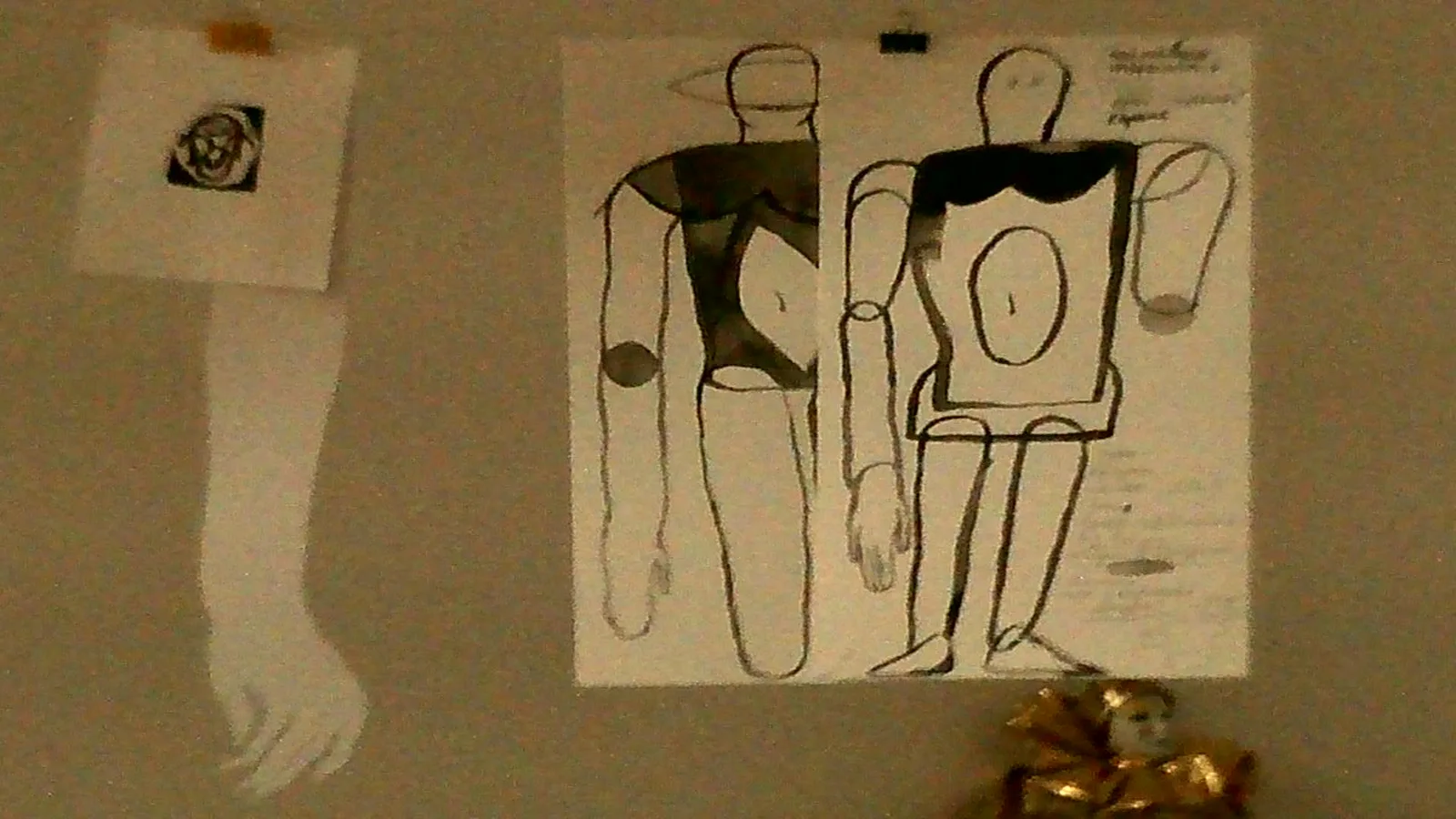
Моє тіло — сосуд, сосудиста система, ми — люди — безперервний → тяглий носій/сосуд, сосудиста тягла система для передавання інформації. Передавання секретів.
Моє тіло — несе в собі не мої секрети, не мою провину, не мій острах, а тяжкість цих «секретів» від поколінь, що були до мене і до тих, хто був до мене.
Не моє тіло пам’ятає знищення тодішнє, не моє тіло пам’ятає історію моїх пращурів, але воно несе цю пам’ять в майбутнє. А моє тіло несе і мою ношу за цей невеликий проміжок часу, що я встигла прожити.
Замало простору, тісно.
Чи існує та обіцяна порожнеча? Але порожнеча не звертається до «нічого». Вона «потенційно» існує тільки як первинна суть абстрактного (не)знання про речі. Це міф, що порожнє все було «колись». Порожнеча — це не імітація неіснування, а невидимість, та видимим воно стає, набуває форми в нашій уяві, тільки коли ми можемо назвати речі словами. До того ж, в семантичному полі нічого не виникає самостійно. Але ця концепція (згідно тібетському Буддизму), що всі речі порожні, якраз зазначає, що це проблема, коли ми за назвами не бачимо суті. Бо що названо вже живе своїм життям, де кожна людина, яка чує назву, починає інтерпретувати почуте → тому сам предмет (як то назва “стіл” напр, та ін.) → йде в розум як (колонізація) концепт, а не як щось, що може бути розглянуте без інтерпретування того, хто дивиться на цей предмет.
Філософія тибетського буддизму пропонувала реальність, де те, на що дивляться, існує тільки як розкрите насіння попереднього досвіду. І всі практики і медитації вчать зрозуміти, що те, на що ти дивишся, і те, що ти бачиш — різні речі. Що за судженнями є абсолютно «голе», незавантажене сенсами існування речей. Але там ще підв’язується мораль під кожне бачення, бо те, як ти бачиш, і твоє страждання суворо залежить від того, що ти робив у минулому. Це дуже жорстке викривлення, бо дуже радикалізує уяву і думки, імпульси та органічну схильність нашого мозку до негативного мислення.
ENG
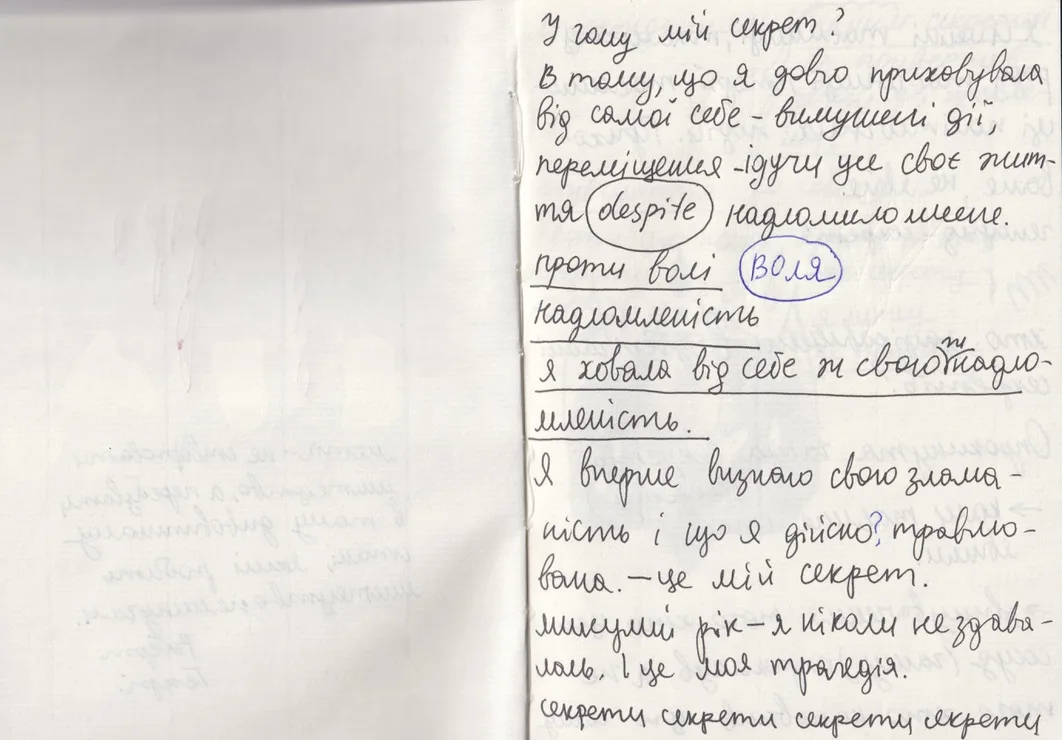
What is my secret?
That for a long time I hid from myself — forced actions, displacements — driving all my life (despite).
against the will (WILL)
brokenness
I hid my own brokenness even from myself.
For the first time I admit my brokenness and that I am really? traumatised. — this is my secret.
I never gave up. And this is my tragedy.
secrets secrets secrets secrets
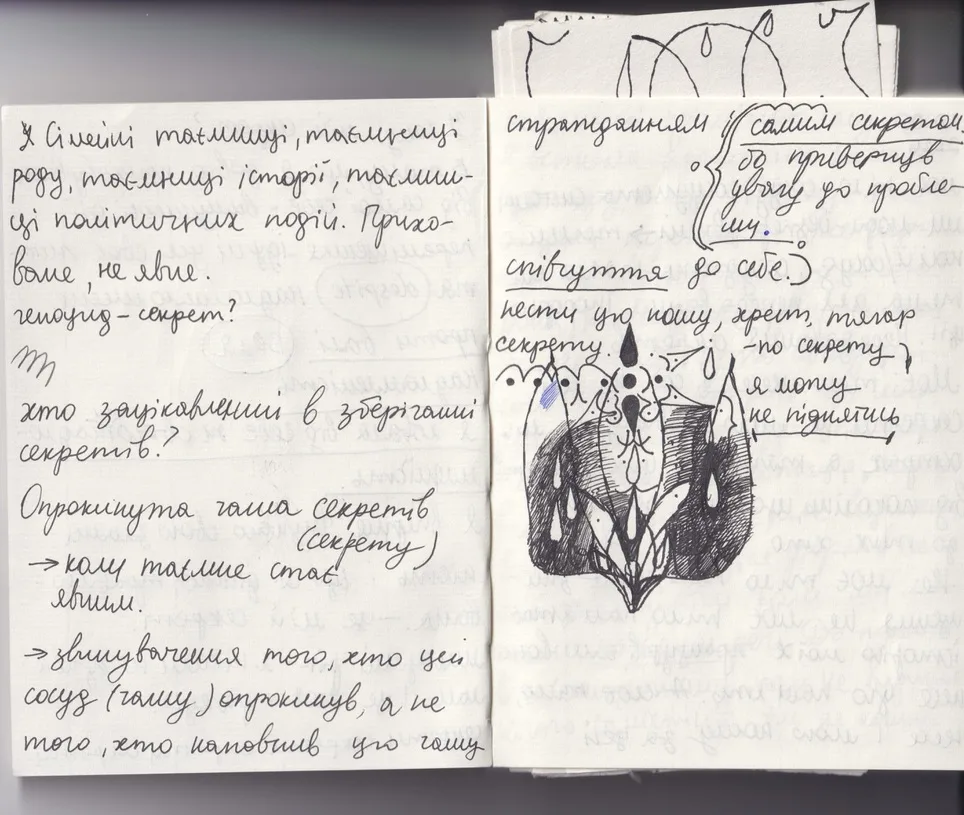
Into family secrets, secrets of the lineage, secrets of history, secrets of political events.
Hidden, not evident.
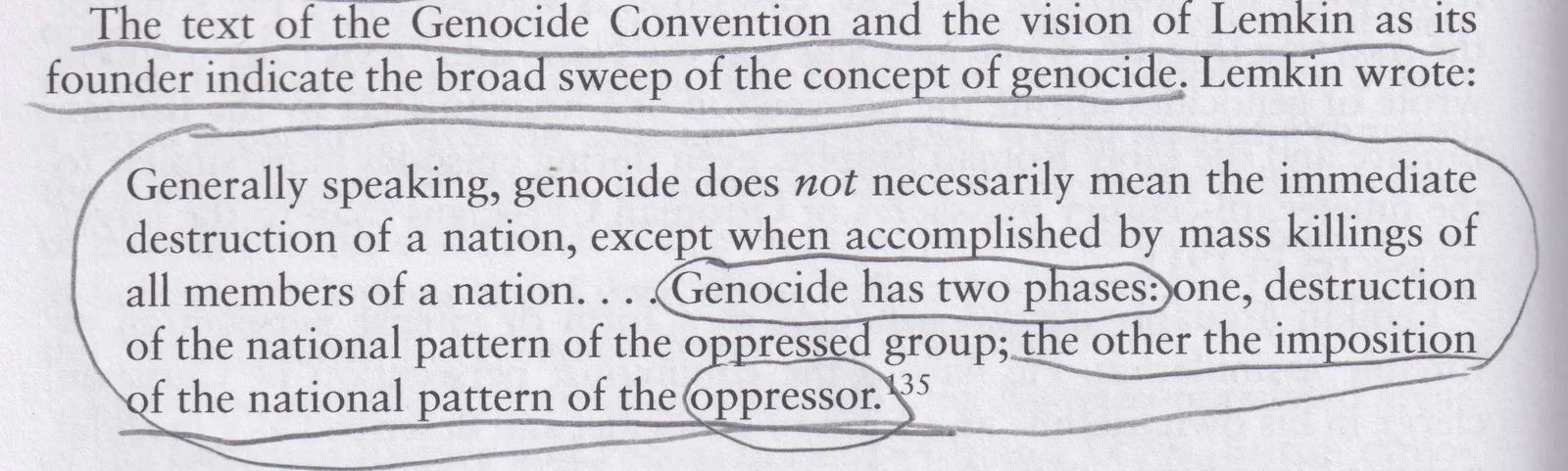
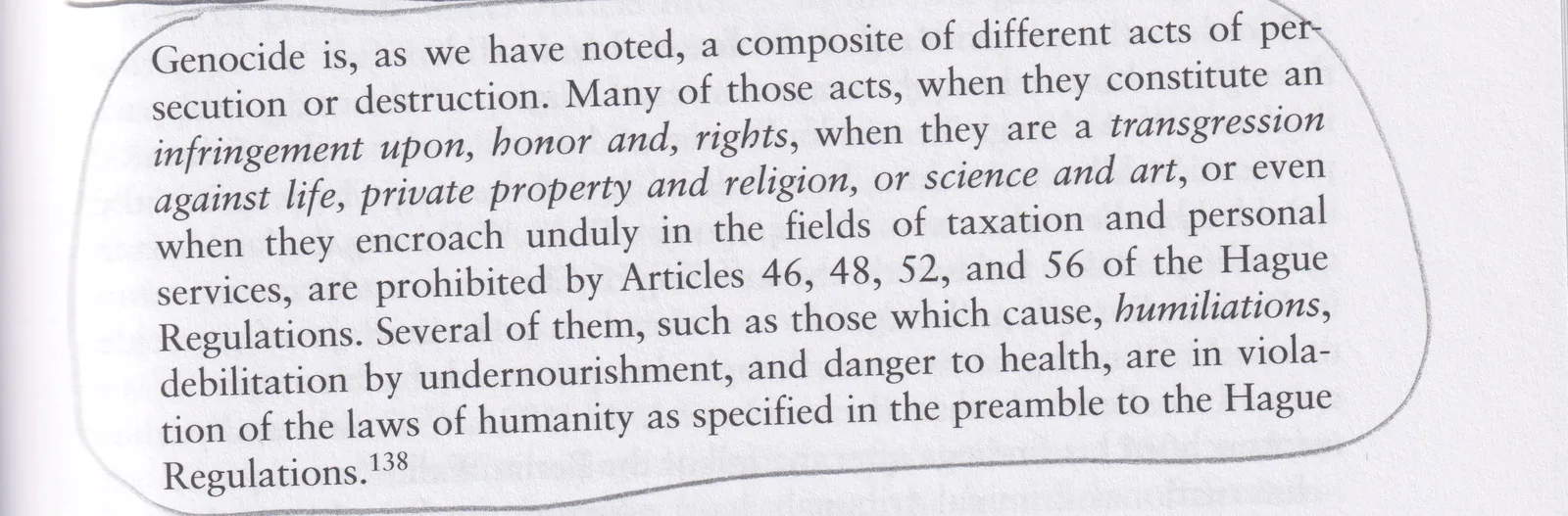
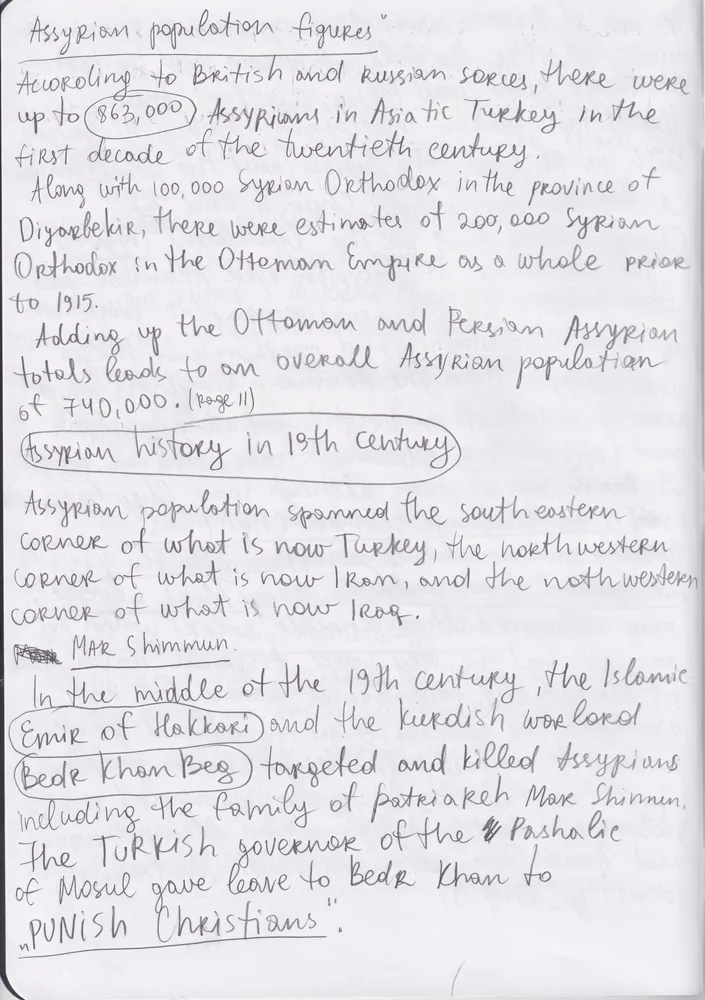
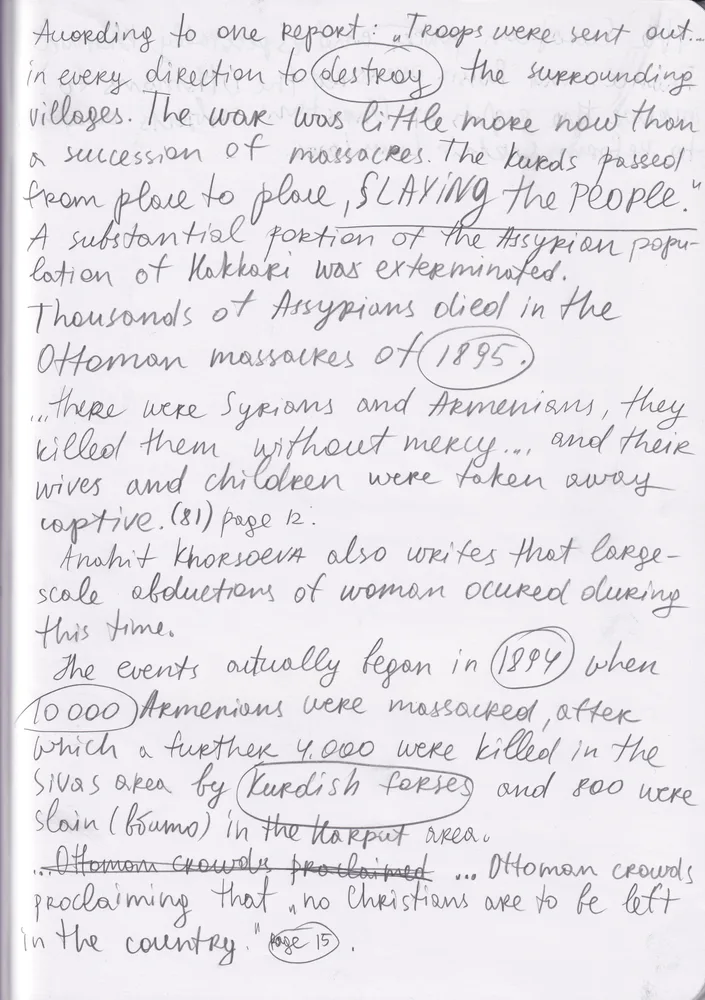
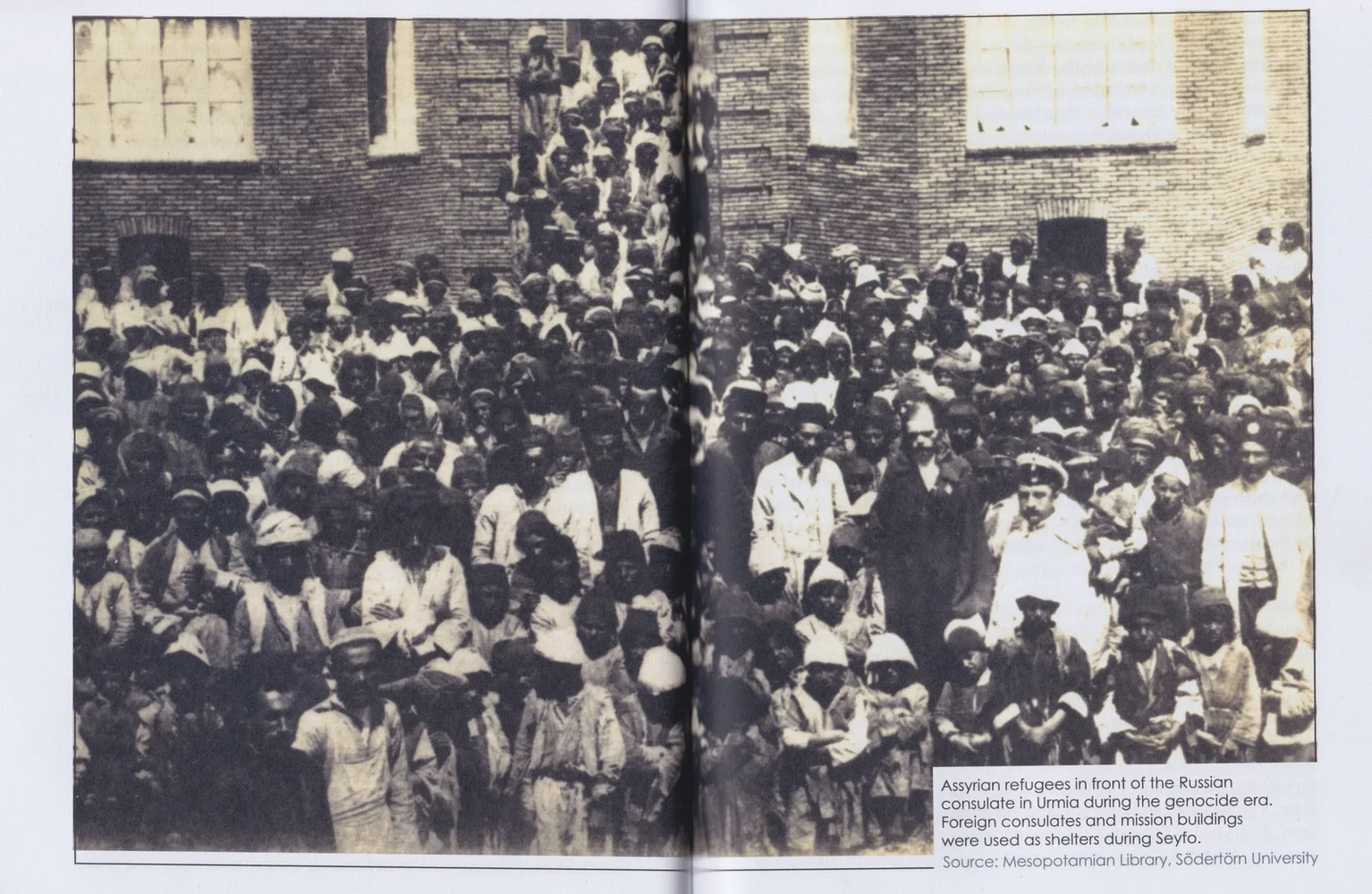
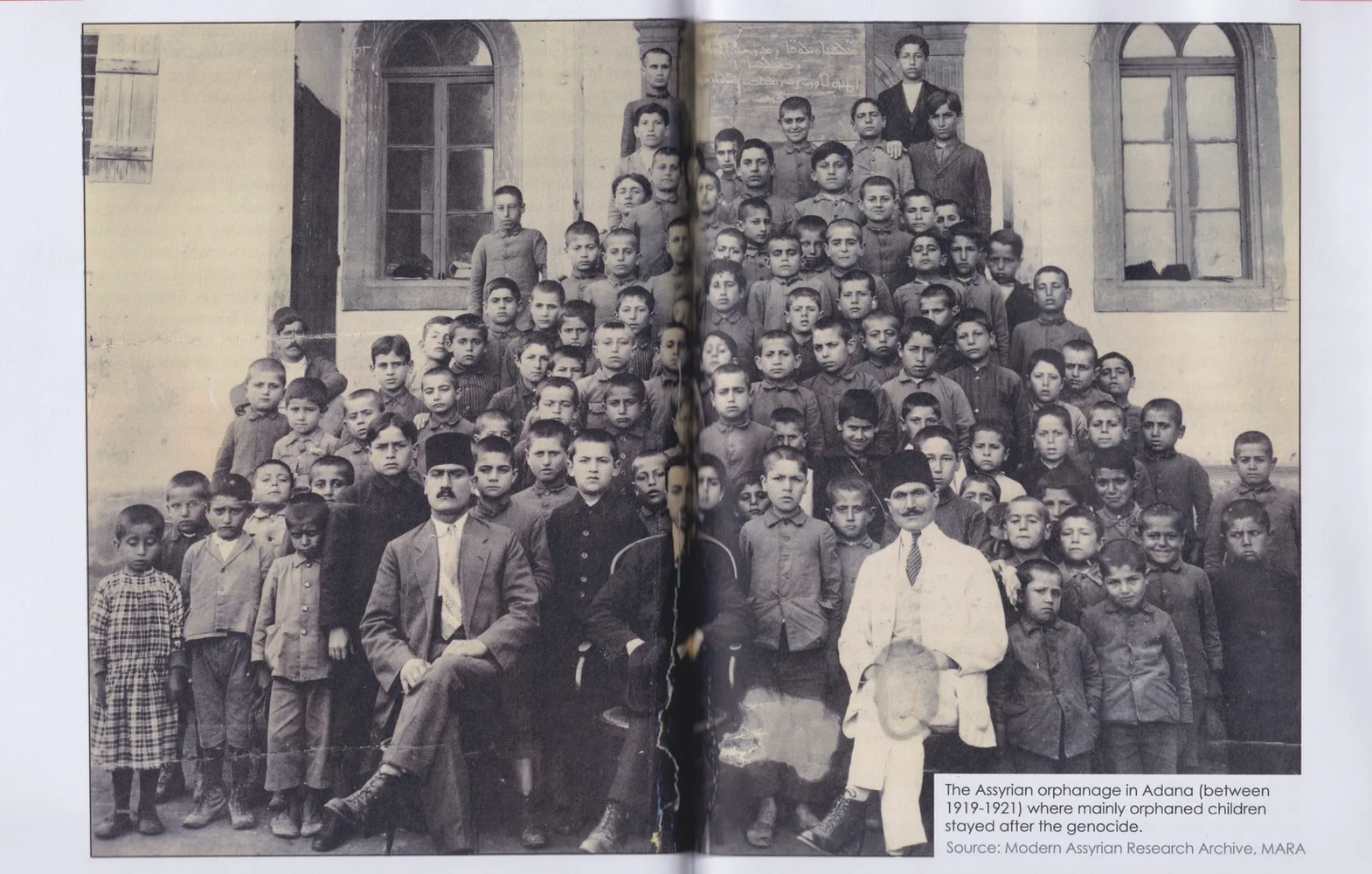
genocide — a secret?
Who is interested in the keeping of secrets?
The overturned vessel of secrets (of the secret)
→ when the secret becomes visible.
→ the blaming of the one who overturned this vessel (cup), and not of the one who filled this cup
with the suffering / by the event itself.
because an overturned vessel drew attention to the problem.
(compassion towards oneself.)
to carry this load, cross, burden of the secret.
— in secret:
I might give up
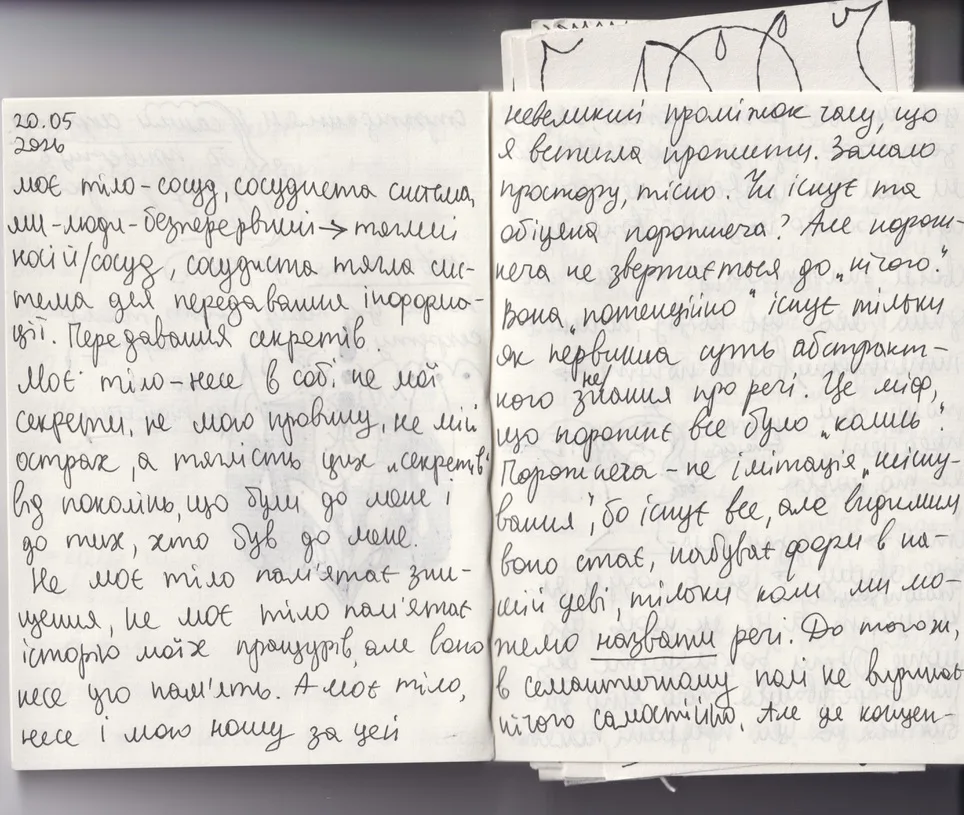
20.05 2026
My body — a vessel, a vascular system, we — people — a continuous vascular system for the transmission of information. The transmission of secrets.
My body — carries within it not my secrets, not my guilt, not my fear, but the weight of these “secrets” from the generations that were before me and before those who were before me.
It is not my body that remembers the history of my ancestors, but it carries this memory. And my body also carries my own load for this small stretch of time that I have managed to live.
Too little space.
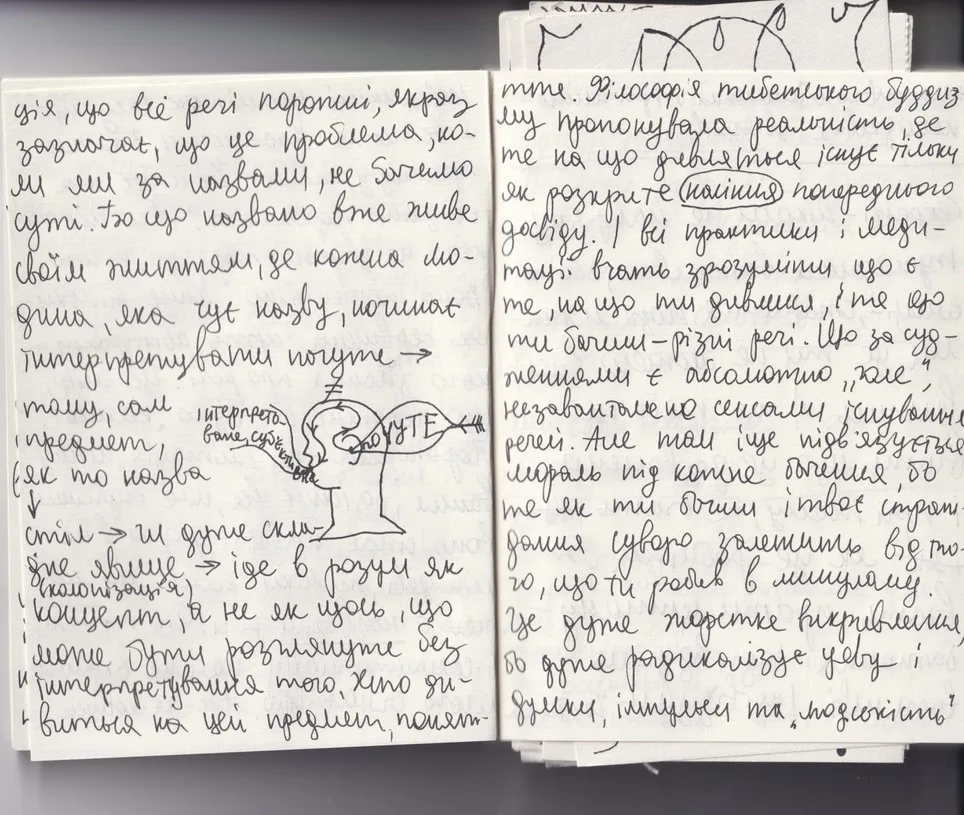
Does this promised void actually exist? But the void does not refer to ‘nothing’. It exists ‘potentially’ only as the primary essence of abstract (un)knowledge about things. It is a myth that everything was once empty. Emptiness is not an imitation of non-existence, but invisibility; and it becomes visible, taking shape in our imagination, only when we can name things with words. Moreover, within the semantic field, nothing arises of its own accord. Yet
this very concept—that all things are empty—highlights the problem that arises when we fail to see the essence behind the names. For what has been named already lives a life of its own, where every person who hears the name begins to interpret what they have heard → therefore the object itself (such as the name ‘table’ and so on) → enters the mind as a (colonising) concept, rather than as something that can be considered without the interpretation of the person looking at that object.
The philosophy of Tibetan Buddhism posits a reality in which what one looks at exists only as the unhusked seed of prior experience. And all practices and meditations teach us to understand that what you look at and what you see are different things. That behind judgements lies the utterly ‘bare’, unburdened existence of things. But there is also a moral dimension attached to every perception, because the way you see things and your suffering depend entirely on what you have done in the past. This is a very harsh distortion, as it drastically radicalises the imagination and thoughts, impulses and our brain’s natural tendency towards negative thinking.
The erasure of Individuality.
Only later did I understand that this is the tip of the iceberg of a deeper historical violence.
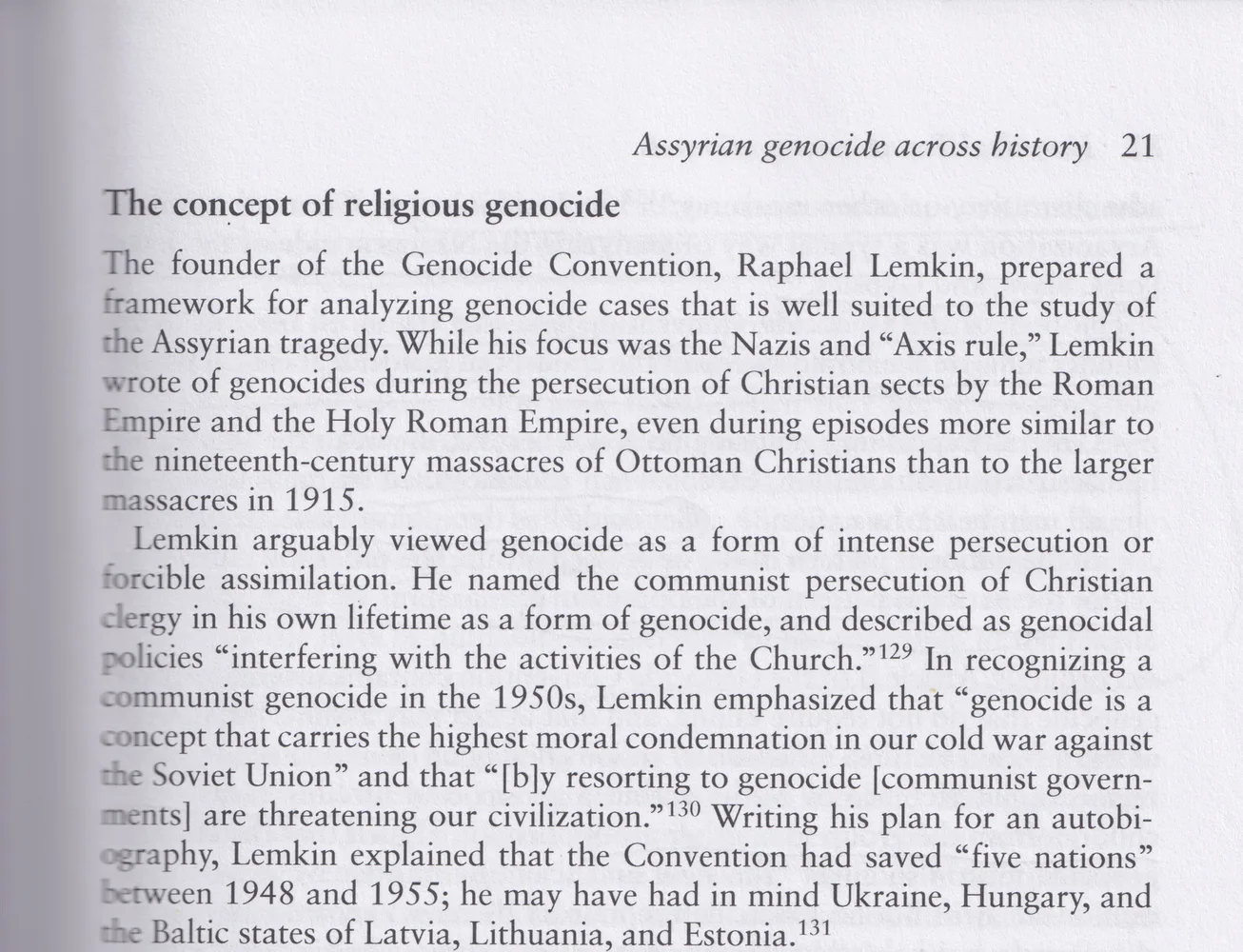
Grief:
— A person who has experienced colonial influence has had much taken from them.
The problem with colonial grief is that it is vast and sometimes seems insurmountable.
...a colonial society is a society in pain.
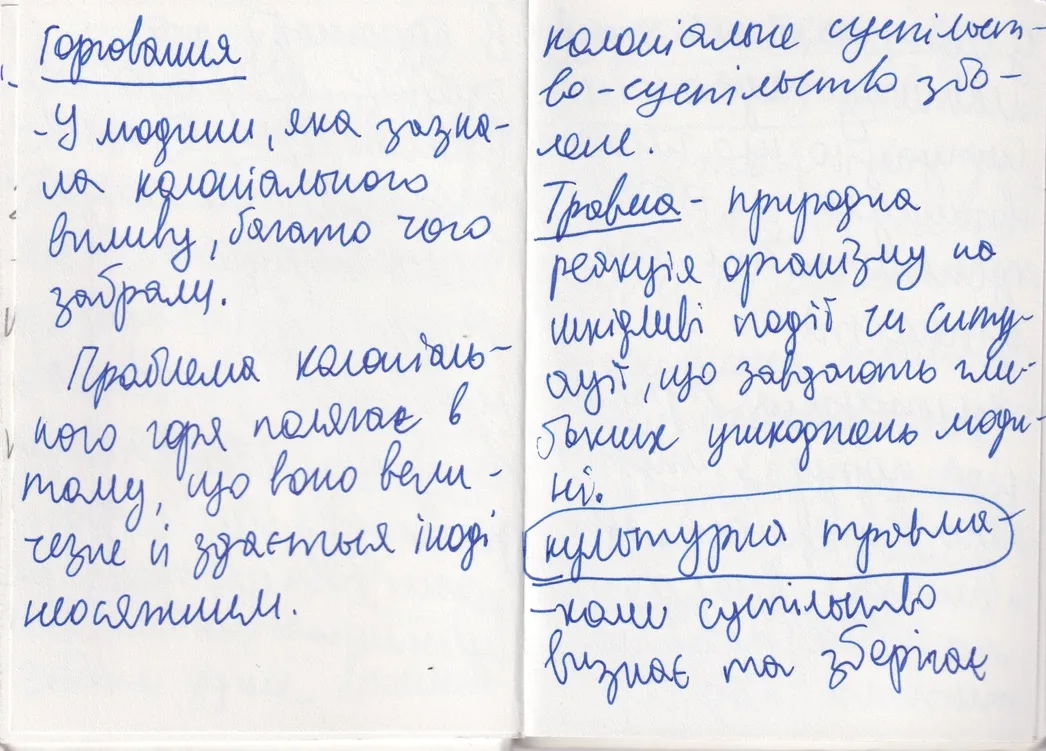
Trauma – is the body’s natural reaction to harmful events or situations that cause deep damage to a person.
Cultural trauma occurs when a society recognises and preserves in its collective memory a traumatic event or situation that has profoundly affected its identity and values.
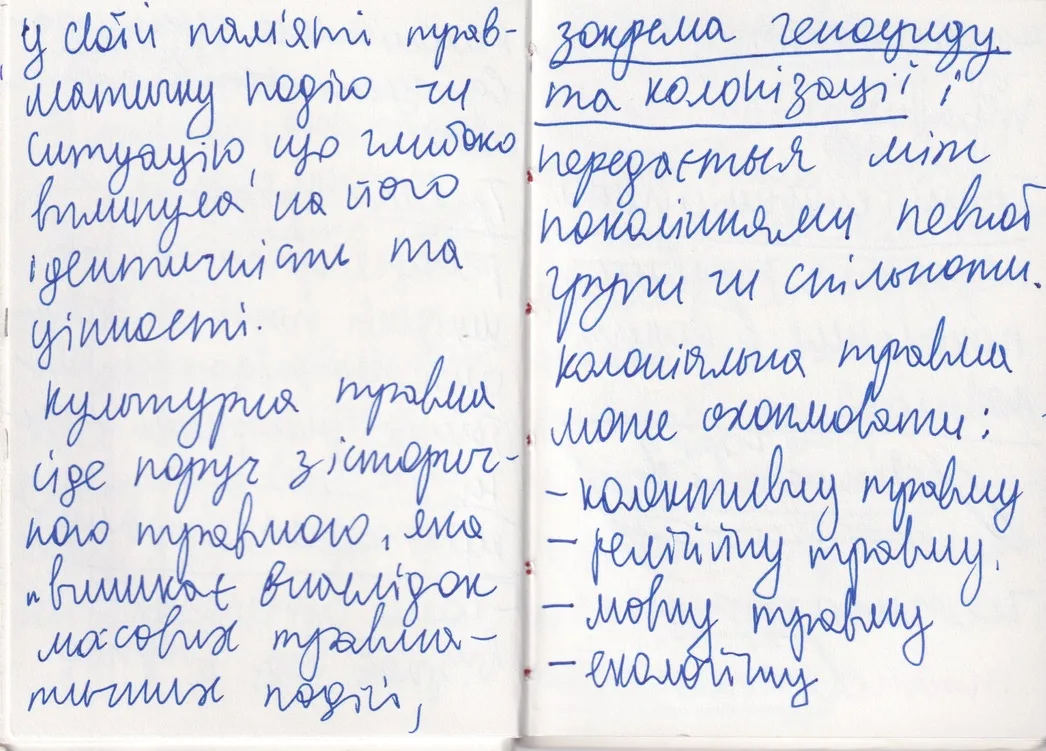
Cultural trauma goes hand in hand with historical trauma, which ‘arises as a result of mass traumatic events, in particular genocide and colonisation;
it is passed down through the generations of a particular group or community.
Colonial trauma may include:
— collective trauma
— religious trauma
— linguistic trauma
— environmental trauma
Notes from Mariam Naiem’s book "How to Breathe Freely: A Guide to Decolonisation", 2026 * Нотатки з книги Маріам Найем «Як вдихнути вільно. Посібник з деколонізації», 2026
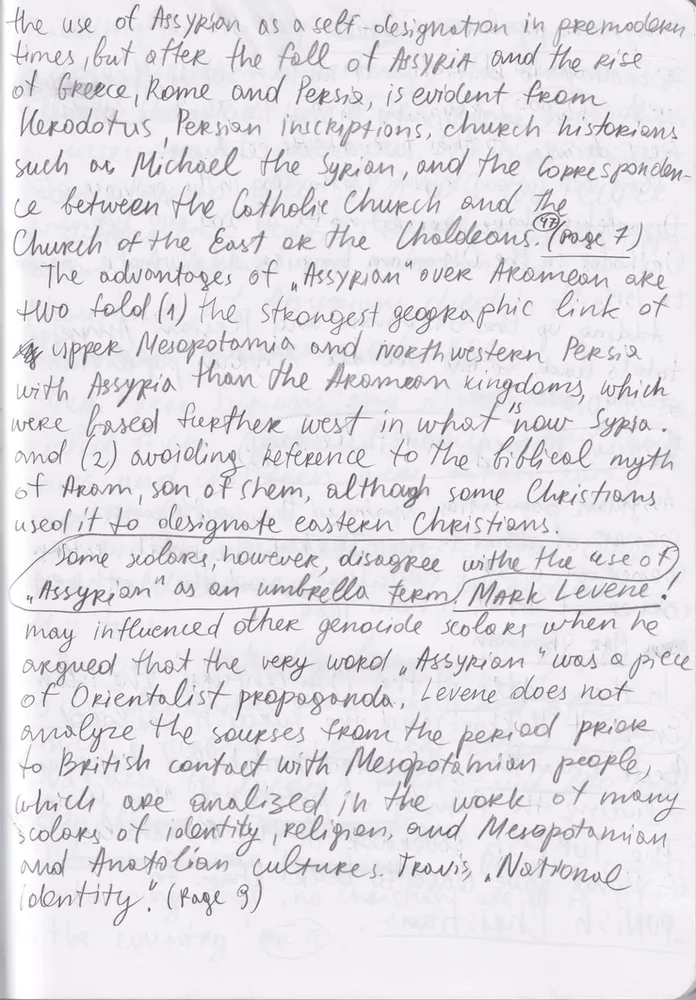
Margo Sarkisova (*1997, Pokrovsk, Ukraine) is a Ukrainian-Assyrian artist based in Graz. Working across printmaking, installation, textile, drawing and archival research, she engages with national identity, gender, displacement and cultural survival.
Margo’s work is part of the Graz city public art collection. She graduated with honors from the Kharkiv State Academy of Design and Arts.
Übersicht